A manufacturing enterprise mainly engaged in the design and manufacture of cold bending equipment

Unlocking Innovation: The Essential Guide to Cold Bending Machines in Metal Fabrication
2025-12-15
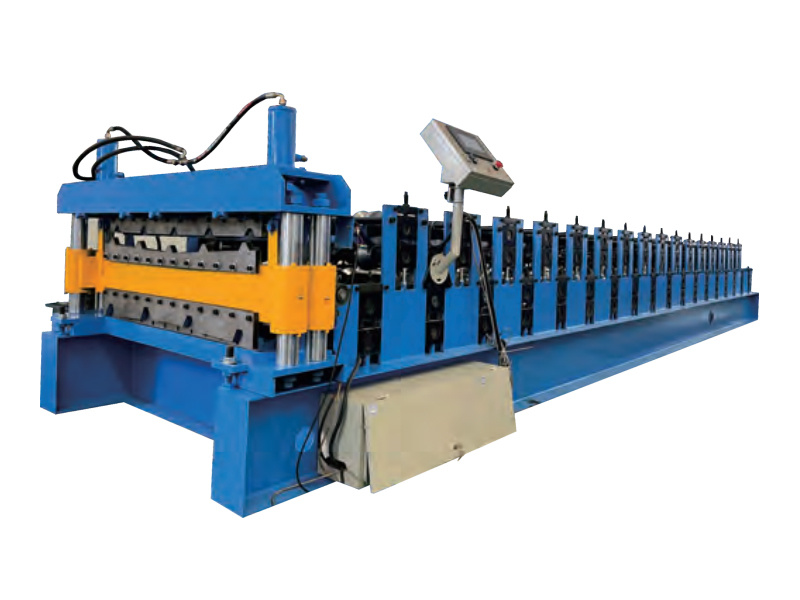
Cold bending machines are pivotal in the metal processing and manufacturing industry, particularly when it comes to forming various metal shapes and components. These machines utilize a unique process that allows for the bending of metal materials at room temperature, which offers several advantages over traditional hot bending methods. Understanding the operational principles, benefits, and diverse applications of cold bending machines can significantly enhance your manufacturing capabilities.
At its core, a cold bending machine operates by applying force to metal sheets or bars, causing them to deform and take on a new shape without the need for heat. This process not only preserves the integrity of the metal but also enhances its mechanical properties, making it stronger and more durable. By leveraging high-precision tools, cold bending machines can achieve intricate designs and consistent results, which are crucial in industries where precision is paramount.
One of the primary advantages of cold bending machines is their efficiency. They can produce complex shapes in a single pass, reducing the need for additional processing steps. This not only shortens production time but also minimizes material waste, contributing to a more sustainable manufacturing process. Additionally, the absence of heat in the bending process means that there is less energy consumption, further optimizing operational costs.
Cold bending machines are used across various sectors, including construction, automotive, and aerospace industries. For instance, they are employed to fabricate components such as brackets, frames, and custom profiles, which are essential in building structures or manufacturing vehicles. Their versatility allows manufacturers to adapt to changing design specifications and customer demands with ease.
Moreover, advancements in technology have led to the development of CNC (Computer Numerical Control) cold bending machines, enabling even greater precision and automation. These machines can be programmed to execute complex bending sequences, ensuring accuracy and repeatability in mass production. As a result, manufacturers can enhance their competitiveness by delivering high-quality products that meet stringent industry standards.
In conclusion, incorporating cold bending machines into your metal fabrication processes can significantly uplift your manufacturing capabilities. As the industry continues to evolve, staying informed about the latest advancements and applications of these machines will position your business for success. Investing in cold bending technology not only enhances productivity but also aligns with contemporary demands for efficiency and precision in metal processing. Embrace the innovation that cold bending machines offer and take your manufacturing operations to new heights.

Contact Us
Email:
WhatsApp:
WhatsApp:
Address:
Xing Village, Shibawu, Botou Town, Cangzhou City, Hebei Province



Message Inquiry