A manufacturing enterprise mainly engaged in the design and manufacture of cold bending equipment

Understanding Steel Rolling Mills: A Comprehensive Guide
2025-12-09
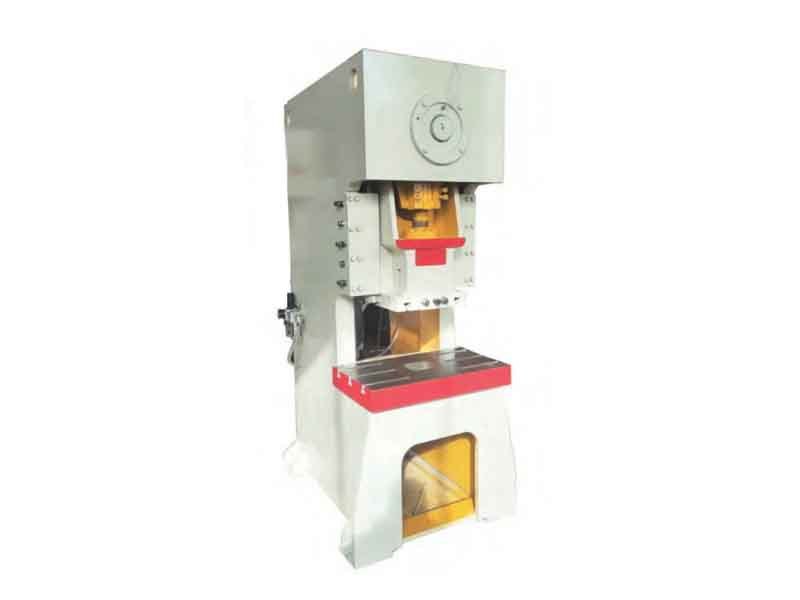
Steel rolling mills are essential components in the manufacturing and processing of metals, particularly in shaping and forming steel. These mills operate on the principle of deformation, where steel is subjected to various mechanical forces to achieve the desired thickness, shape, or finish. The primary function of a steel rolling mill is to convert raw steel into usable products such as sheets, plates, bars, and structural components.
There are several types of rolling processes employed in steel rolling mills, including hot rolling and cold rolling. In hot rolling, steel is heated above its recrystallization temperature, enabling it to be shaped more easily and providing a finer grain structure. This process is typically used for producing large volumes of steel with the desired dimensions. On the other hand, cold rolling is performed at room temperature and results in improved surface finish and tighter tolerances, making it suitable for applications where precision is critical.
The design of a steel rolling mill can significantly affect its efficiency and output. Key components of a rolling mill include the rolling stands, where the actual deformation occurs, and the drives that power these stands. The configuration of the rolls—such as the number of stands and the arrangement (e.g., two-high, three-high, four-high)—plays a crucial role in determining the mill's operational capabilities. Additionally, advanced control systems and automation technologies have been integrated into modern steel rolling mills, enhancing productivity and product quality while reducing operational costs.
Another important aspect of steel rolling mills is the cooling system, which manages the temperature of the rolled products to prevent warping or cracking during the cooling phase. This system is critical for maintaining the integrity of the steel, ensuring that the final product meets industry standards for strength and durability.
In terms of applications, steel rolling mills serve various industries, including construction, automotive, and manufacturing. The products generated from these mills are integral to the production of beams, columns, and other structural elements used in building infrastructures, machinery components, and automotive parts.
In summary, understanding the intricacies of steel rolling mills is crucial for professionals in the metal processing industry. By leveraging the capabilities of these mills, manufacturers can produce high-quality steel products that meet the ever-evolving demands of various sectors. Whether you are involved in manufacturing, maintenance, or quality control, knowledge of steel rolling mills will enhance your proficiency and contribute to the overall success of your operations.
Previous Article:

Contact Us
Email:
WhatsApp:
WhatsApp:
Address:
Xing Village, Shibawu, Botou Town, Cangzhou City, Hebei Province



Message Inquiry