A manufacturing enterprise mainly engaged in the design and manufacture of cold bending equipment

Mastering Cold Bending Machines: Essential Insights for Metal Processing Professionals
2025-12-01
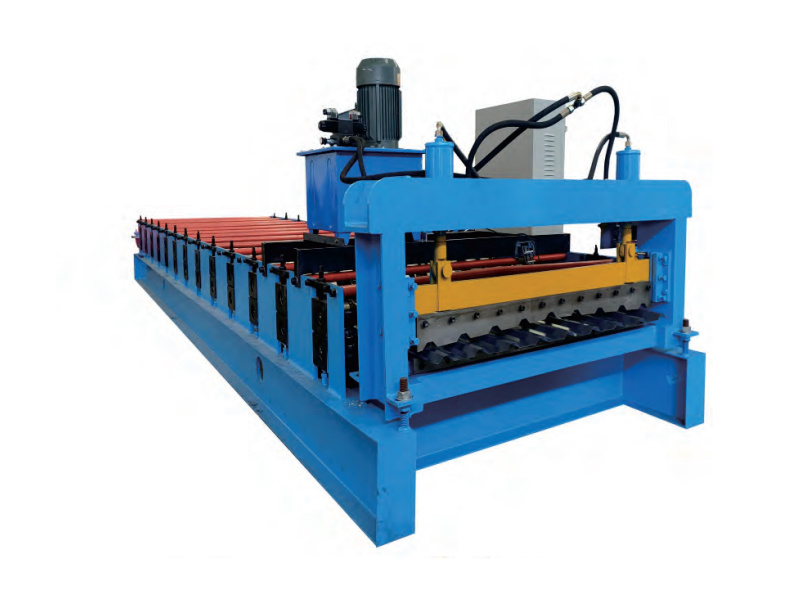
In the realm of metal processing machinery, the cold bending machine stands out as a critical tool for shaping metal without the need for heating. This method offers numerous advantages, making it a preferred choice in various manufacturing applications. Understanding the fundamentals and operational principles of cold bending machines can significantly impact production efficiency and product quality.
Cold bending machines are designed to bend metal sheets and profiles at room temperature, which minimizes the risk of material weakening or structural failure. One of the primary benefits of using cold bending machines is their ability to produce precise bends consistently, which is crucial for maintaining high-quality standards in manufacturing. The level of accuracy achievable with these machines can lead to reduced waste and lower costs in the long run.
When selecting a cold bending machine, it is essential to consider several factors, including the type of materials you will be working with, the thickness of the metal, and the required bend angles. Each machine varies in terms of capacity and features, so it’s crucial to choose one that aligns with your specific manufacturing needs. Additionally, the machine's control systems and ease of operation are vital aspects that can influence productivity.
Regular maintenance of cold bending machines is essential to ensure optimal performance and longevity. Operators should be trained on proper usage and maintenance procedures to prevent common issues such as misalignment or tool wear. Implementing a routine maintenance schedule can help identify potential problems early, reducing downtime and repair costs.
Furthermore, advancements in technology have led to the integration of CNC (Computer Numerical Control) systems in modern cold bending machines. These systems enhance precision and allow for more complex bending operations, which can significantly increase productivity. Investing in CNC-capable machines can position your business to meet the evolving demands of the market, where customization and efficiency are highly valued.
In conclusion, cold bending machines are indispensable in the metal processing industry. By understanding their operational principles, selecting the right equipment, and implementing proper maintenance practices, professionals can optimize their manufacturing processes. Staying informed about technological advancements and best practices in cold bending can offer a competitive edge, ensuring that your operations remain efficient and effective in the fast-paced manufacturing landscape. Embrace the capabilities of cold bending machines to maximize productivity and enhance product quality in your metal processing endeavors.
Previous Article:

Contact Us
Email:
WhatsApp:
WhatsApp:
Address:
Xing Village, Shibawu, Botou Town, Cangzhou City, Hebei Province



Message Inquiry