A manufacturing enterprise mainly engaged in the design and manufacture of cold bending equipment

Transform Your Metalwork: The Advantages of Downspout Forming Technology
2025-11-14
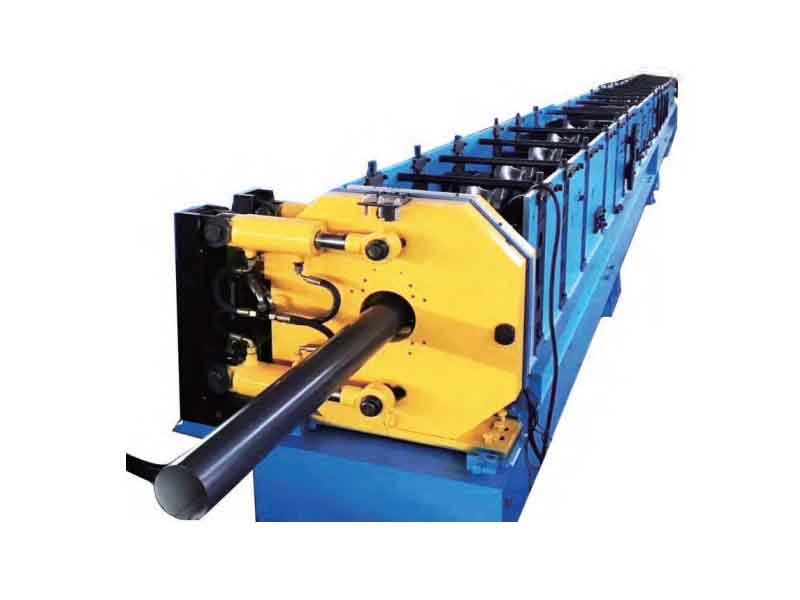
Transform Your Metalwork: The Advantages of Downspout Forming Technology
Table of Contents
- 1. Introduction to Downspout Forming Technology
- 2. What is Downspout Forming?
- 3. Benefits of Downspout Forming Technology
- 3.1 Increased Efficiency and Productivity
- 3.2 Enhanced Precision in Metalwork
- 3.3 Cost-Effectiveness and Reduced Waste
- 3.4 Versatility in Applications
- 4. Applications of Downspout Forming Technology
- 5. The Future of Downspout Forming Technology
- 6. Frequently Asked Questions
- 7. Conclusion
1. Introduction to Downspout Forming Technology
In the world of manufacturing, **innovation** drives efficiency and competitiveness. One of the most significant advancements in the metalwork sector is **downspout forming technology**. This cutting-edge process not only streamlines metal fabrication but also enhances the quality of the finished products. In this article, we will explore the multifaceted benefits of downspout forming, detailing why it is a game-changer in the manufacturing landscape.
2. What is Downspout Forming?
Downspout forming refers to the specialized process of shaping metal into downspouts, which are essential components for water drainage systems in buildings. The technology involves the utilization of advanced machinery that can accurately bend, cut, and form metal sheets into the desired shapes.
2.1 The Process of Downspout Forming
The downspout forming process typically involves the following steps:
1. **Material Selection**: Choosing the right metal, often aluminum or galvanized steel, depending on durability requirements.
2. **Cutting**: The metal sheets are cut to specific dimensions using precision cutting tools.
3. **Bending and Forming**: Advanced machinery accurately bends and shapes the metal according to design specifications.
4. **Finishing**: The formed downspouts undergo finishing processes, such as painting or galvanizing, to enhance durability and aesthetics.
3. Benefits of Downspout Forming Technology
Downspout forming technology offers numerous advantages that can significantly impact production efficiency, quality, and costs.
3.1 Increased Efficiency and Productivity
The implementation of downspout forming technology leads to **increased efficiency** in the manufacturing process. Automated systems enable faster production rates, which translates to higher output within shorter timeframes. By automating repetitive tasks, manufacturers can focus their labor on more complex operations, thus boosting overall productivity.
3.2 Enhanced Precision in Metalwork
One of the standout features of downspout forming technology is its ability to produce parts with **high precision**. Traditional methods often result in errors that require rework, leading to wasted materials and time. However, advanced machines equipped with **CNC technology** ensure that every component is manufactured to exact specifications, minimizing variations and ensuring quality standards are consistently met.
3.3 Cost-Effectiveness and Reduced Waste
Cost is a crucial factor in any manufacturing operation. Downspout forming technology significantly reduces waste by optimizing the use of materials. The precise cutting and forming processes mean that less metal is discarded, resulting in lower raw material costs and ultimately increasing profit margins.
3.4 Versatility in Applications
Downspout forming technology is not limited to just downspouts. Its versatility allows manufacturers to create a wide range of products, from gutters to custom metal components. This adaptability makes it an invaluable asset for companies looking to diversify their offerings and meet varied customer demands.
4. Applications of Downspout Forming Technology
Downspout forming technology finds applications across several industries. Understanding these applications can help businesses leverage the technology effectively.
4.1 Construction Industry
In the construction sector, downspouts are vital for directing rainwater away from building foundations. Forming technology allows for the efficient production of custom-sized downspouts tailored to each project.
4.2 Manufacturing and Fabrication
Metal fabrication shops can utilize downspout forming technology to produce various components for machinery, HVAC systems, and architectural features. The precision and cost-effectiveness of this technology enhance the overall productivity of fabrication operations.
4.3 Residential and Commercial Applications
Homeowners and businesses alike benefit from the availability of high-quality downspouts. Forming technology facilitates the production of aesthetically pleasing and functional drainage solutions that meet specific architectural designs.
5. The Future of Downspout Forming Technology
As technology continues to advance, the future of downspout forming looks promising. Innovations in **automation**, **robotics**, and **smart manufacturing** are set to further enhance the efficiency and capabilities of this technology. Manufacturers who adopt and adapt to these changes will likely see sustained competitive advantages in the marketplace.
6. Frequently Asked Questions
6.1 What materials are commonly used in downspout forming?
Common materials include **aluminum**, **galvanized steel**, and occasionally **copper**, depending on the application requirements.
6.2 How does downspout forming technology improve manufacturing efficiency?
Automation and precision in cutting and shaping reduce production time and material waste, enhancing overall efficiency.
6.3 Can downspout forming technology produce custom designs?
Yes, modern downspout forming machinery can easily accommodate custom designs, allowing for tailored products to meet specific client needs.
6.4 What industries benefit the most from downspout forming technology?
Key industries include **construction**, **manufacturing**, and **residential/commercial sectors**, all of which require effective water drainage solutions.
6.5 Is downspout forming technology environmentally friendly?
Yes, by optimizing material use and reducing waste, downspout forming technology can contribute to more sustainable manufacturing practices.
7. Conclusion
In conclusion, downspout forming technology represents a significant leap forward in the field of metalwork. Its benefits—ranging from increased efficiency and precision to cost-effectiveness and versatility—make it an indispensable tool for manufacturers. As the industry continues to evolve, embracing this technology not only enhances production capabilities but also positions businesses for long-term success in a competitive marketplace. By investing in downspout forming, manufacturers can transform their metalwork processes and achieve remarkable results.

Contact Us
Email:
WhatsApp:
WhatsApp:
Address:
Xing Village, Shibawu, Botou Town, Cangzhou City, Hebei Province



Message Inquiry