A manufacturing enterprise mainly engaged in the design and manufacture of cold bending equipment

Understanding Cold Bending Machines: Essential Insights for Metalworking Professionals
2025-11-01
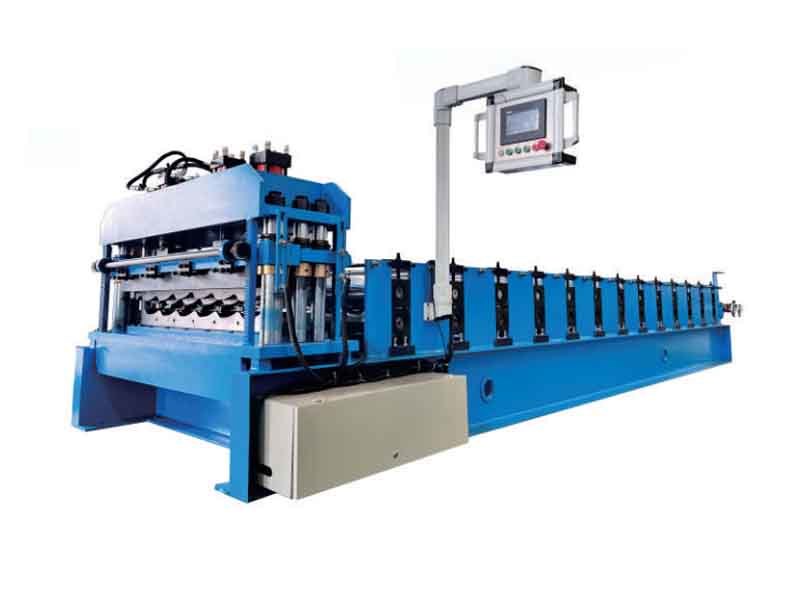
Cold bending machines are pivotal tools in the manufacturing and processing of metals, particularly in the realm of metal forming machinery. These machines specialize in bending metal sheets or profiles at room temperature, a process that allows for precise shaping without the application of heat. This method is favored for its efficiency and the ability to maintain the material's strength and integrity.
One of the primary advantages of using cold bending machines is their ability to produce complex shapes with tight tolerances, which is critical in various applications, including automotive, aerospace, and construction industries. The cold bending process minimizes the risk of warping or distortion, ensuring that the final product meets high-quality standards.
Cold bending machines come in various forms, including roll bending machines, press brakes, and tube bending machines. Each type has specific functionalities suited for different metal forming tasks. For instance, roll bending machines are often used for creating cylindrical shapes, while press brakes are ideal for forming angles and edges in sheet metal.
When operating a cold bending machine, it is essential to consider several factors to achieve optimal results. The choice of material plays a significant role; some metals, such as aluminum and mild steel, are more amenable to cold bending than others. The thickness of the material also influences the bending process, as thicker materials may require more robust machinery and techniques.
Additionally, understanding the tooling involved in cold bending is crucial. The tooling, which includes dies and punches, must be designed to accommodate the specific requirements of the bending operation. Proper maintenance of both the machine and tooling is vital to ensure longevity and consistent performance.
Safety is another critical aspect when working with cold bending machines. Operators must be trained in safe practices to prevent accidents and ensure the equipment is used correctly. This includes wearing appropriate personal protective equipment (PPE) and adhering to the machine's operational guidelines.
In conclusion, cold bending machines are indispensable in the metalworking industry, enabling manufacturers to create intricate designs with precision and efficiency. By understanding the capabilities and best practices associated with these machines, professionals can optimize their metal forming processes, enhancing productivity and product quality.
Previous Article:

Contact Us
Email:
WhatsApp:
WhatsApp:
Address:
Xing Village, Shibawu, Botou Town, Cangzhou City, Hebei Province



Message Inquiry