A manufacturing enterprise mainly engaged in the design and manufacture of cold bending equipment

Understanding Embossing Machines in Metal Fabrication
2025-10-26
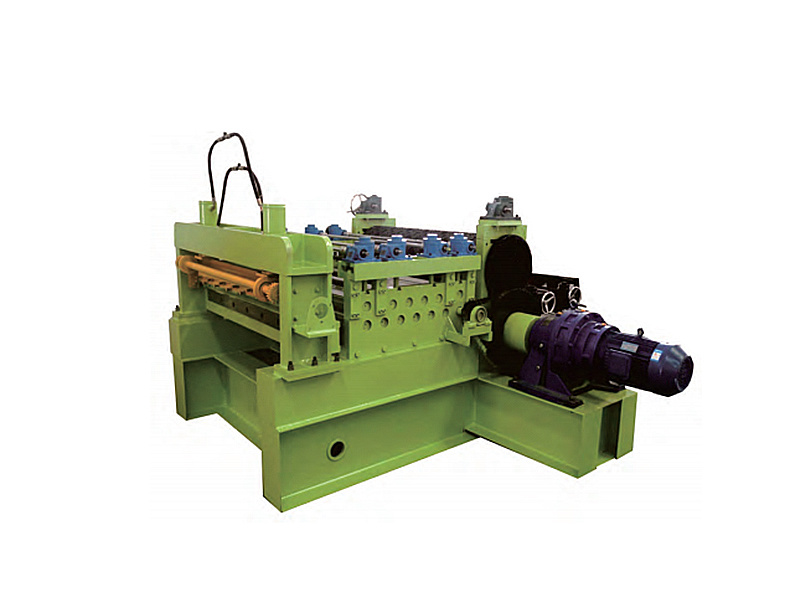
Embossing machines are specialized tools used in the metal fabrication industry to create raised or recessed designs on various metal surfaces. This process is vital for enhancing both aesthetic appeal and functionality. The embossing technique involves pressing a design onto the metal sheet, which results in a permanent imprint. It’s an essential process in many sectors, including automotive, aerospace, and decorative metalwork.
There are several types of embossing machines, each designed for specific applications and materials. The most common types include rotary, flatbed, and hydraulic embossing machines. Rotary embossing machines use a continuous roll of metal and can produce intricate designs at high speeds, making them ideal for mass production. Flatbed embossing machines, on the other hand, are better suited for larger sheets and offer more flexibility in design variation. Hydraulic embossing machines utilize hydraulic pressure to apply force, providing precise control over the embossing process, which is particularly beneficial for thicker materials or complex designs.
In the metal processing sector, the applications of embossing machines are vast. For instance, they are often used to create decorative patterns on metal panels, which can be utilized in architectural design or product packaging. Additionally, embossed metal components can enhance grip or reduce glare, making them especially useful in manufacturing automotive parts or electronic enclosures. The ability to customize designs also allows manufacturers to create unique branding elements or identify products easily.
One significant advantage of using embossing machines is their efficiency in production. Once the initial setup is complete, these machines can operate at high speeds, reducing manufacturing time and labor costs. Furthermore, embossed products often require less finishing work, as the process naturally creates textures that can eliminate the need for additional surface treatments.
Moreover, the embossing process can enhance the durability of metal products. The compression of the metal during embossing increases its structural integrity, making the final product more resistant to wear and tear. This aspect is particularly important in sectors where durability is a prerequisite, such as in construction or heavy machinery.
When considering an embossing machine for your operations, it’s essential to assess factors such as the type of materials being processed, the desired complexity of designs, and production volume. Understanding these elements will help in selecting the most suitable machine, ensuring optimal performance and output.
In conclusion, embossing machines play a crucial role in the metal fabrication industry, offering unique solutions for both aesthetic enhancement and functional improvement. By leveraging the capabilities of these machines, manufacturers can efficiently produce high-quality metal products that meet diverse market demands. Whether for decorative applications or performance enhancement, investing in the right embossing technology can lead to significant advantages in the competitive landscape of metal processing.
Previous Article:

Contact Us
Email:
WhatsApp:
WhatsApp:
Address:
Xing Village, Shibawu, Botou Town, Cangzhou City, Hebei Province



Message Inquiry