A manufacturing enterprise mainly engaged in the design and manufacture of cold bending equipment

Unlocking the Potential of Cold Bending Machines: A Comprehensive Guide for Metal Processing Professionals
2025-10-22
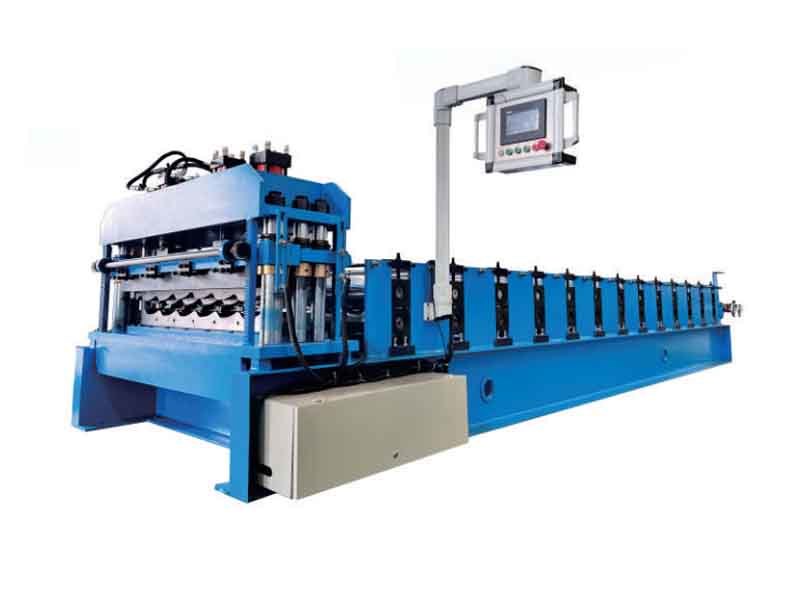
Cold bending machines are specialized equipment designed to shape metal sheets and profiles without the application of heat. This process, known as cold bending, is critical in various manufacturing sectors, particularly in metal forming and fabrication. Understanding the technical aspects of cold bending machines can significantly enhance operational efficiency and product quality.
One of the primary advantages of using cold bending machines is their ability to produce high-quality bends with minimal distortion. Unlike hot bending processes, which can alter the material's structural integrity, cold bending maintains the original properties of the metal. This is particularly important in applications where strength and durability are paramount, such as in construction and automotive industries.
Moreover, cold bending machines offer versatility in handling different metal types, including steel, aluminum, and copper. Many modern machines are equipped with advanced controls and software that enable operators to program complex bending sequences, thus improving accuracy and repeatability. This automation not only minimizes human error but also enhances productivity by reducing setup times.
In selecting a cold bending machine, professionals should consider several key factors. The machine's capacity, which includes the maximum bending angle and the thickness of the material it can handle, is crucial for ensuring it meets production needs. Additionally, the machine's construction, including the quality of components and stability during operation, will directly impact performance and longevity.
Maintenance is another vital aspect to consider. Regular inspections and servicing of the cold bending machine will prolong its lifespan and ensure consistent performance. Operators should be trained to recognize signs of wear or malfunction, as timely intervention can prevent costly downtime.
Furthermore, the integration of safety features in cold bending machines is essential. Operators should always adhere to safety protocols and guidelines to minimize risks associated with machine operation. Investing in training programs for personnel will not only enhance safety but also improve overall efficiency.
In conclusion, cold bending machines play a pivotal role in the metal processing industry, offering unparalleled advantages in precision and material integrity. By understanding the functionalities, selecting the right machine, and prioritizing maintenance and safety, professionals can fully leverage the capabilities of cold bending technology, ultimately leading to improved productivity and product quality in their operations.
Previous Article:

Contact Us
Email:
WhatsApp:
WhatsApp:
Address:
Xing Village, Shibawu, Botou Town, Cangzhou City, Hebei Province



Message Inquiry