A manufacturing enterprise mainly engaged in the design and manufacture of cold bending equipment

Cold Bending Machine – Precision, Efficiency, and Strength in Metal Forming
2025-10-21
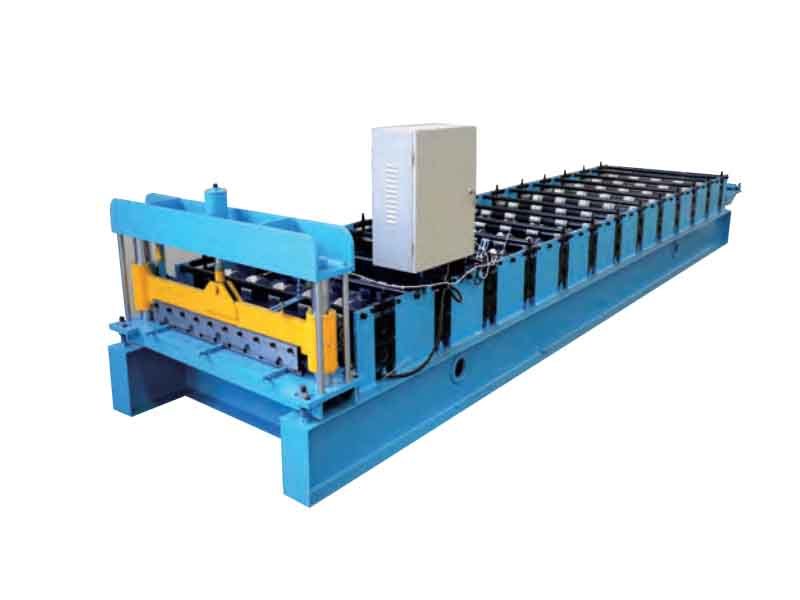
The Cold Bending Machine is an advanced industrial equipment designed to bend and shape metal materials at normal temperatures without the need for heating. It plays a vital role in steel structure manufacturing, construction, automotive parts, pipeline engineering, and metal fabrication industries. By utilizing high-strength rollers, precise control systems, and a durable frame, the cold bending machine ensures accuracy, consistency, and efficiency in every bending operation.
Product Overview
A Cold Bending Machine uses mechanical force to deform metals—such as steel, aluminum, and stainless steel—into specific shapes, including channels, angles, beams, and pipes. Unlike hot bending, which requires heating the metal, cold bending maintains the material’s physical properties while reducing energy consumption and production costs. The result is a smooth, uniform bend that retains the strength and surface quality of the original material.
Modern cold bending machines feature CNC control systems, hydraulic power units, and automatic feeding mechanisms, enabling high precision and consistent results. With adjustable bending angles, customizable dies, and a user-friendly interface, operators can easily produce complex profiles with minimal setup time.
Key Features and Advantages
High Precision and Consistency – Advanced control systems ensure accurate bending angles and repeatable results.
Energy Efficient – No heating required, reducing power consumption and operating costs.
Material Integrity – Cold bending preserves the metal’s original strength and mechanical properties.
Wide Application Range – Suitable for various materials like steel, aluminum, and stainless steel.
Durable and Robust Structure – Built with high-quality alloy steel and precision bearings for long service life.
Customizable Dies and Rollers – Adaptable to different shapes and production requirements.
User-Friendly Operation – Intuitive control panels and automated systems simplify production.
High Production Efficiency – Capable of continuous bending with minimal downtime.
Applications
The Cold Bending Machine is widely used across multiple industries:
Construction and Steel Structures: For bending H-beams, C-channels, and curved roofing supports.
Automotive Industry: Used to manufacture chassis frames, bumpers, and structural reinforcements.
Pipeline Engineering: For forming pipes and tubes for water, oil, and gas systems.
Metal Furniture and Frames: For producing aesthetic and structural curves in furniture and display racks.
Shipbuilding and Bridge Construction: To create strong, curved components with high load-bearing capacity.
Customer Case Study
A steel structure manufacturer integrated a CNC Cold Bending Machine into its production line to form curved roof beams for industrial warehouses. Previously, the company relied on manual heating and bending, which was time-consuming and inconsistent. After adopting the new machine, production efficiency improved by 45%, material waste decreased by 30%, and bending accuracy reached ±0.5°. The company also reduced energy costs and improved the quality of their finished products, strengthening their competitive position in the market.
Solving Customer Pain Points
Inconsistent Bending Quality – The CNC system ensures perfect repeatability and accuracy.
High Energy Costs – No need for preheating reduces electricity and fuel expenses.
Slow Production Speed – Automatic feeding and hydraulic bending accelerate operations.
Material Damage – Smooth rollers prevent scratches, deformation, and stress cracks.
Complex Setup – Easy-to-use interface reduces setup time and operator training.
Maintenance Concerns – Robust design and quality components minimize downtime.
Technical Specifications (Example)
Bending Capacity: Up to 20 mm thickness (depending on material type)
Material Types: Carbon steel, stainless steel, aluminum, copper
Bending Radius: Customizable according to project needs
Control System: PLC/CNC automatic control
Power Source: Hydraulic or electric drive
Operation Mode: Automatic and manual
Accuracy: ±0.5° bending precision
Safety System: Emergency stop, overload protection, and automatic calibration
Conclusion
The Cold Bending Machine represents a perfect combination of strength, precision, and cost efficiency. Its ability to bend metals accurately without compromising structural integrity makes it indispensable in modern manufacturing. Whether used in steel structure projects, automotive components, or pipeline systems, it helps businesses achieve higher productivity, consistent quality, and lower operational costs. Investing in a cold bending machine means investing in durability, innovation, and long-term industrial growth.
Previous Article:

Contact Us
Email:
WhatsApp:
WhatsApp:
Address:
Xing Village, Shibawu, Botou Town, Cangzhou City, Hebei Province



Message Inquiry